Open-Access Materials Science
-
.jpg/card)
Credit: AtlChampion/Wikipedia The 2026 SFG Annual Meeting
Learn MoreJoin glycobiologists from around the world for several days of cutting-edge science, collaboration, and community. The Annual Meeting brings together leaders, early-career investigators, and trainees to share the latest advances in glycobiology research and foster meaningful connections across the field.
-
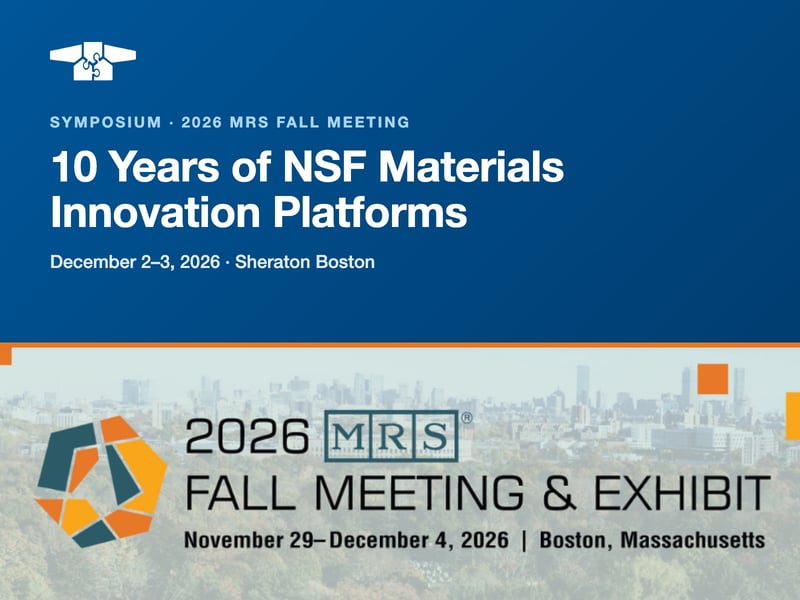
10 Years of NSF Materials Innovation Platforms (MIPs)
2026 MRS Fall MeetingA two-day symposium at the 2026 MRS Fall Meeting in Boston marking 10 years of the NSF Materials Innovation Platforms program, with talks from the MIP directors.

BioPACIFIC MIP's Rachel Segalman Appointed to CCST Board of Directors
Rachel Segalman, a BioPACIFIC MIP faculty and Vice Chancellor for Research at UC Santa Barbara, has been appointed to the Board of Directors of the California Council on Science and Technology (CCST). Appointed by University of California President James B. Milliken, Segalman is one of three representatives of the UC System on the board.
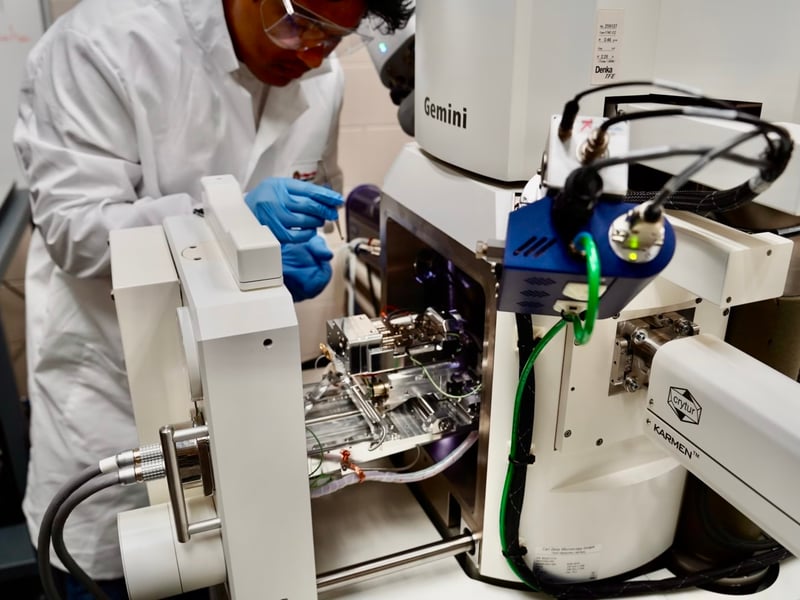
New UW-Madison Center Accelerates Discovery Where Materials Meet Their Limits
A team of University of Wisconsin-Madison engineers has received nearly $25 million from the U.S. National Science Foundation for an initiative that leverages AI to accelerate discovery and development of “super” materials that can withstand a proverbial perfect storm of extreme conditions.
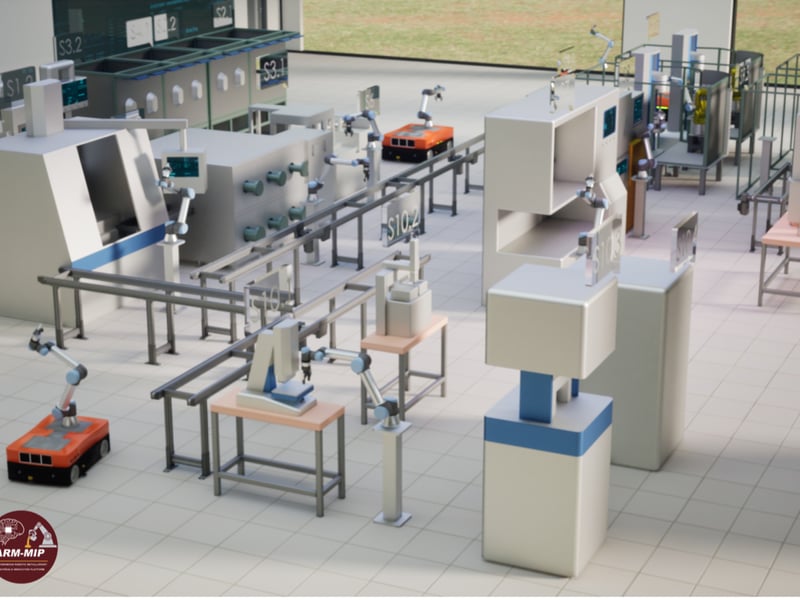
Texas A&M to build first national self-driving laboratory for metals, open to researchers nationwide
By Alyssa Schaechinger, Texas A&M Engineering News Staff
A six-year, $24.9 million grant from the U.S. National Science Foundation (NSF) will establish the Autonomous Robotic Metallurgist Materials Innovation Platform (ARM-MIP) at Texas A&M University — a national user facility where robots and artificial intelligence take on the repetitive labor of alloy discovery, freeing scientists to focus on discovery itself.
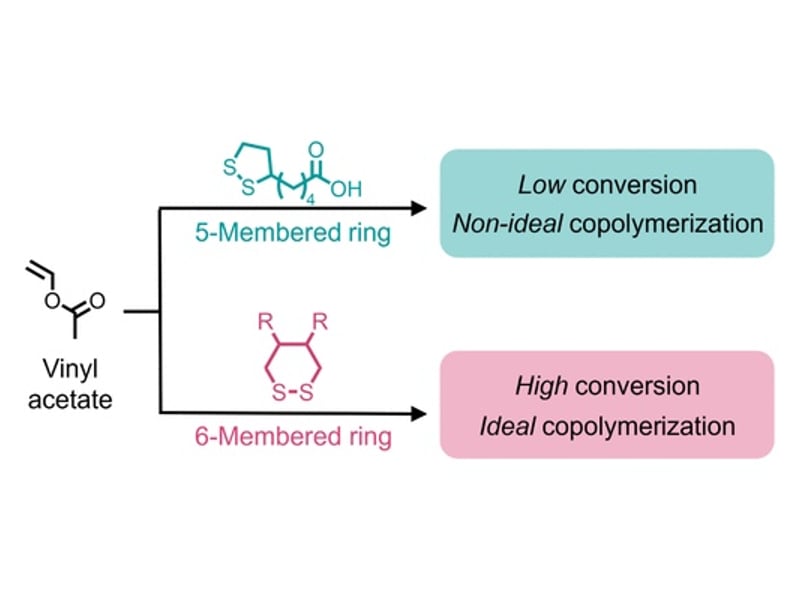
New Study Points to Degradable Commodity Plastics Without Changing Manufacturing
Researchers from UC Santa Barbara’s BioPACIFIC MIP have reported a new route to making commodity plastics more sustainable without requiring major changes to existing manufacturing methods.
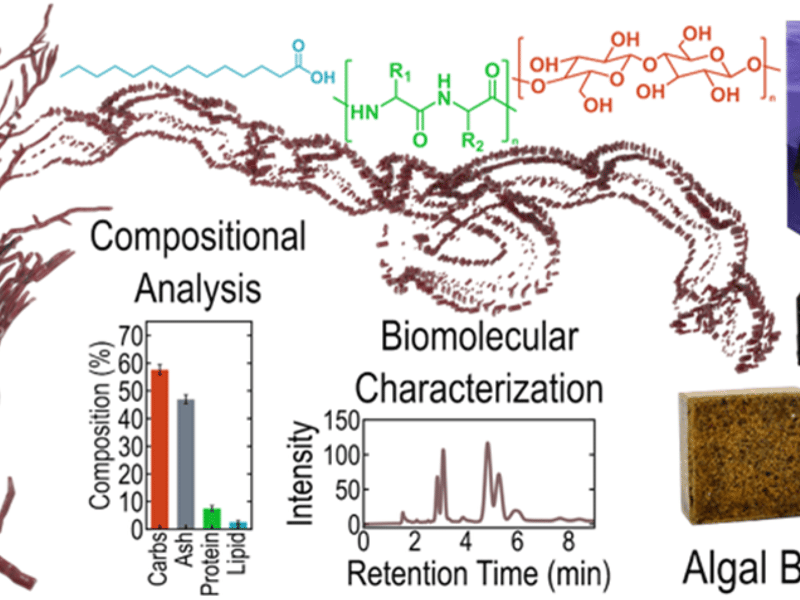
Hawaiian Seaweed Shows Promise for Sustainable Materials
A team of GlycoMIP researchers and collaborators has demonstrated how four species of native Hawaiian seaweed can be used to produce bioplastics and adhesives for wood particleboards, offering a potential alternative to petroleum-based materials.
Our Community
Investigators, staff scientists, and trainees driving the NSF MIP mission